Art. Comics. Icons from the Age of Anxiety. Jazz. Psychology. Crime Fiction. Finance. Blues. Science. Surf. Satire. OCD.
Showing posts with label obstructive sleep apnea. Show all posts
Sunday, February 4, 2018
Obstructive Sleep Apnea: Exercises
I don't know about getting rid of my CPAP machine (I've been using it every night and for every nap for 18 years) -- but I guess it wouldn't hurt to build up my face muscles...
Tuesday, October 20, 2015
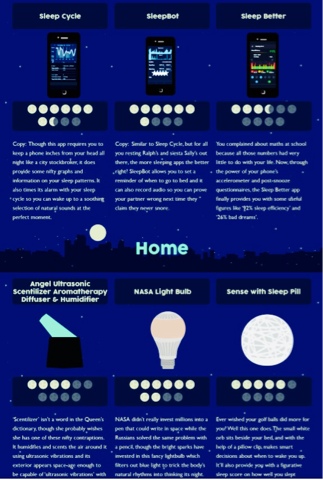
Sleep Gadgets Infographic
If you have Obstructive Sleep Apnea like I do, nothing beats the CPAP (Continuous Positive Airway Pressure) machine, or its several variations --- yes, I am a "hose head". I've worn a "nasal mask" every night for 15 years and counting. Don't give up on treating your OSA with a CPAP. It took me a month to get used to the feeling of constant air flow, then one day my body adapted to the sensation and actually I had to check to see if it was on. Somehow, through consistent use, I got used to the sensation. Here are some other sleep-related goodies to try.
Wednesday, July 24, 2013
Devices, Not Drugs: Part I: Sleep Disorders: A Personal Report
by Don Mangus
Here’s a start on my one-man, anecdotal report on all the devices, esoteric research, and alternative treatments I’ve explored over the last year or three.
I feel that technological, dietary, lifestyle, and mind/body
treatments for physical and mental health ailments and syndromes are the
preferred way to go -- whenever possible. They are underutilized, IMHO.
Why take a drug or risk an operation if you can treat an
existing problem treatable with a device? There will likely be fewer harmful or
irreversible side-effect/complications, or dangerous drug interactions, with
the added benefits of lower cost, and most likely, less pain.
It seems likely that many of our modern health problems are
really the result of our modern
lifestyle outstripping the adaptations of our biological evolution.
For instance -- it may be more common and natural for many
folks to sleep at several night/day periods during the natural rise and fall of
circadian rhythm/hormonal cycles rather than to force the entire sleep
experience into a solid, compressed eight-hour block. This modern-day, Western concept may be simply a cultural result of trying to squeeze more productivity out of post-Industrial Revolution workers. The same goes for the electric light, which artificially extended our wakeful hours. It’s been reported that Thomas Edison deplored sleep as “wasted time.”
Likewise, it seems our sympathetic nervous system has
remained at a stage of evolution adapted for quick bursts of “fight or flight”
responses to survive the short-term dangers of the Paleolithic Era, rather than
the chronic situational stresses common to our modern workplace -- never-ending
deadlines, societal pressures, anxiety-producing forcasts of impending crises –
as well as just plain old over-stimulation of our senses and minds.
So…away we go...
Sleep Devices:
I suffer with Obstructive
Sleep Apnea. This sleep disorder is best treated by the “gold standard” of medical
devices -- the Continuous Positive Airway
Pressure (CPAP) machine. Before I treated this pernicious condition eleven
years ago, I was at my wit’s end.
I'd advise my fellow sufferers to avoid painful throat operations
or oral jaw-jacking appliances, and to favor the CPAP instead. However, one way
or another, the condition should be treated and never ignored.
Not treating chronic OSA can lead to heart damage or even sudden
death from arrhythmia-induced cardiac arrest -- so it should be treated.
OSA is a very common problem for the
general public, and the real money-maker for sleep clinics, and thus easily
diagnosed and treated.
Chronic Insomnia
is a much, much more difficult condition to treat. I was nearly done-in by a
month-long bought of chronic insomnia, and finally had to be hospitalized due
to such complications as severe anxiety, depression, , and finally, ceaseless ruminations
of suicide. That’s how bad it got. I can fully empathize with the tragic consequences
of the sleep-deprived desperation exhibited such celebrities as Michael Jackson,
Whitney Houston, and Heath Ledger.
It took two weeks of nightly experiments with various
formulations/combinations of heavy-duty “drug cocktails” to stabilize my sleep
and mood. Although the intervention worked, these meds are troublesome, and
should only be used short-term if possible. I titrated myself off them as much
and as soon as possible.
If you have to take them -- you have to -- but there’s a long-term
price to pay. From personal experience, I’d strongly recommend avoiding two especially
troublesome meds -- Ambien and Zyprexa, if at all possible.
However, if you find yourself suffering from such extreme
symptoms as I did, hospitalization is a great idea – it sped up the healing process
and the intervention should be considered a necessary Emergency Room situation.
Don’t try to “tough it out” or go it alone. Reach out for help.
A Few Things I’ve Learned
Along the Way
Natural Supplements:
For mild cases of temporary insomnia -- melatonin, valerian root, and
l-theanine supplements may help.
Sleep hygiene: it
might help in bad-habit or “conditioned” cases. Among the key concepts to try are:
a quiet environment (use ear plugs or a “white noise” machine), room and body temperature,
and total darkness (use an eye mask).
Also, avoid caffeine, alcohol, exercise, and food too close
to bedtime. Avoid over-stimulation from such situations as emotional phone
calls, and excessive ruminations about the day’s events or tomorrow’s plans. Another good trick is to take a warm bath prior to getting into bed. As the body’s temperature cools down, it’s easier to fall asleep.
These CBT techniques work best for very minor, temporary
insomnia.
The Effects of Colored
Light on Circadian Rhythms, the Light-Dark Cycle, and Melatonin Release:
There’s a theory that “light pollution” profoundly disrupts
the natural circadian rhythms/body clock and thus the body’s release of melatonin.
I’m a believer that this theory is very, very valid.
Exposure to bright sunlight for 25 minutes in the morning
exposes the body to “blue part” of the light spectrum which inhibits the
release of melatonin, and also helps set the natural wake/sleep cycle.
On a side note, on cloudy days -- or for those suffering a
bout of Seasonal Affect Disorder (SAD) -- exposure to artificial light from a special
blue-light lamp can sometimes bring relief.
I’ve experimented with wearing blue-lensed glasses in the early morning to enhance my wakefulness.
These glasses also seem to have an added calming
effect on my mood. Although they may make you appear to be a hipster or
jazzman, they do seem to be very effective for me.
The biggest factor though, is that later in the evening and
night, we subject ourselves to artificial
“light pollution” from electric lights, TV screens, computer monitors, light-emitting
diodes, etc.
The thing to do here, in the early evening, is to don
“blue-blocker” sunglasses (orange or amber colored lenses) which simulate darkness to the body and signal the circadian rhythms to begin a release
of melatonin.
I put my “blue-blockers” on when I come home from work, and wear
them while using my computer, tablet, reading, and watching TV. They simulate a
perpetual sunset.
When I wake in the middle of the night, I also wear them
while I read. This very simple device prevents “over-stimulation” from “full-spectrum,
white electric light,” and makes it much, much easier to drift back to sleep. I
can’t recommend them highly enough for insomniacs.
What a simple
solution – so much better than hypnotic drugs.
An Endorsement of Naps:
I love to take an afternoon nap when
I can. The best time is naturally, from noon to 3:30 PM. This is the time of a natural lull in alertness in our
circadian cycle, but “power napping” is much discouraged by most modern Western
work schedules.
I’d nap every day if I could.More on my other experiments with devices and supplements, later.
Wednesday, June 6, 2012
Chronic Insomnia: A Primer
In the Fall of 2010, I began to suffer chronic insomnia. I had earlier in life suffered severe sleep problems due to obstructive sleep apnea, which since 2003 I have treated with a Continous Postitive Airway Pressure (CPAP) machine, but this bout of chronic insomnia proved to be something new, and might I add, horrible.
Chronic insomnia lasts for longer than a month. It can be caused by another disorder, or it can be a primary disorder. People with high levels of stress hormones or shifts in the levels of cytokines are more likely to have chronic insomnia. Its effects can vary according to its causes. They might include muscular fatigue, hallucinations, and/or mental fatigue. Some people that live with this disorder see things as if they are happening in slow motion, wherein moving objects seem to blend together.
Symptoms of insomnia can be caused by or can be co-morbid with:
Use of psychoactive drugs (such as stimulants), including certain medications, herbs, caffeine, nicotine, cocaine, amphetamines, methylphenidate, aripiprazole, MDMA, modafinil, or excessive alcohol intake.
Withdrawal from depressant drugs such as opioids and benzodiazepines.Use of fluoroquinolone antibiotic drugs,
Restless Legs Syndrome, which can cause sleep onset insomnia due to the discomforting sensations felt and the need to move the legs or other body parts to relieve these sensations.
Periodic limb movement disorder (PLMD), which occurs during sleep and can cause arousals that the sleeper is unaware of.
Pain
An injury or condition that causes pain can preclude an individual from finding a comfortable position in which to fall asleep, and can in addition cause awakening.
Hormone shifts such as those that precede menstruation and those during menopause
Life events such as fear, stress, anxiety, emotional or mental tension, work problems, financial stress, birth of a child and bereavement.
Mental disorders such as bipolar disorder, clinical depression, generalized anxiety disorder, post traumatic stress disorder, schizophrenia, obsessive compulsive disorder, or dementia.
Disturbances of the circadian rhythm, such as shift work and jet lag, can cause an inability to sleep at some times of the day and excessive sleepiness at other times of the day. Chronic circadian rhythm disorders are characterized by similar symptoms.
Certain neurological disorders, brain lesions, or a history of traumatic brain injury
Medical conditions such as hyperthyroidism and rheumatoid arthritis
Abuse of over-the counter or prescription sleep aids (sedative or depressant drugs) can produce rebound insomnia
Poor sleep hygiene, e.g., noise
Parasomnias, which include such disruptive sleep events as nightmares, sleepwalking, night terrors, violent behavior while sleeping, and REM behavior disorder, in which the physical body moves in response to events within dreams
A rare genetic condition can cause a prion-based, permanent and eventually fatal form of insomnia called fatal familial insomnia.
Physical exercise. Exercise-induced insomnia is common in athletes, causing prolonged sleep onset latency.
Sleep studies using polysomnography have suggested that people who have sleep disruption have elevated nighttime levels of circulating cortisol and adrenocorticotropic hormone They also have an elevated metabolic rate, which does not occur in people who do not have insomnia but whose sleep is intentionally disrupted during a sleep study. Studies of brain metabolism using positron emission tomography (PET) scans indicate that people with insomnia have higher metabolic rates by night and by day. The question remains whether these changes are the causes or consequences of long-term insomnia.
A common misperception is that the amount of sleep required decreases as a person ages. The ability to sleep for long periods, rather than the need for sleep, appears to be lost as people get older. Some elderly insomniacs toss and turn in bed and occasionally fall off the bed at night, diminishing the amount of sleep they receive.
In many cases, insomnia is co-morbid with another disease, side-effects from medications, or a psychological problem. Approximately half of all diagnosed insomnia is related to psychiatric disorders. In depression in many cases "insomnia should be regarded as a co-morbid condition, rather than as a secondary one;" insomnia typically predates psychiatric symptoms."In fact, it is possible that insomnia represents a significant risk for the development of a subsequent psychiatric disorder."
Knowledge of causation is not necessary for a diagnosis, but it might be nice to know.
Subscribe to:
Posts (Atom)