Showing posts with label Japanese garden. Show all posts

Monday, November 26, 2018

Sukiya: Traditional Japanese Architecture

Sukiya style


Sukiya style


Sukiya style


Sukiya style


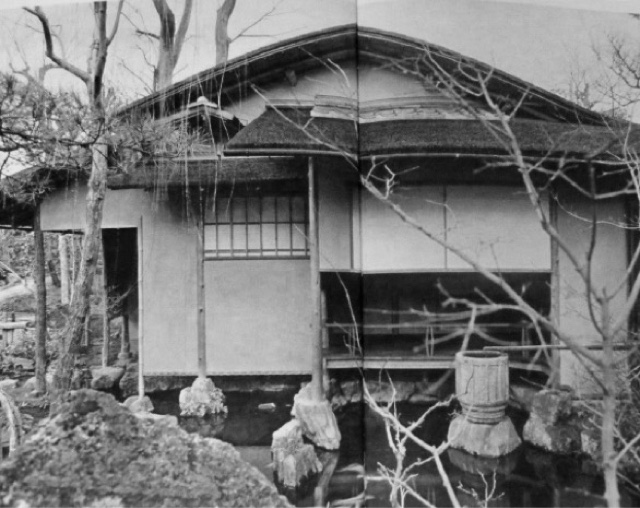
My new new thing -- traditional Japanese architecture. This is the high-end style, "sukiya" (as contrasted with "minka")...

Sukiya style architecture

The true spirit of Japanese architecture can be found in the Japanese house and the sukiya style of residential construction. Japanese houses come in many shapes and sizes -- but for 400 years the majority of them have been built in the sukiya style. Anyone interested in the architecture of Japan should become familiar with this vernacular.

The sukiya style Japanese home is a refined and graceful living space that employs elements of the Japanese tea house. Characteristics of the sukiya style include delicate proportions, the ample use of natural materials, the integration of interior and exterior spaces, and a general sense of quiet elegance with rustic overtones. In the traditional Japanese house, moderation is of key importance. In addition to slender wood elements and the lack of ostentation, the sukiya living environment strives, not to overwhelm, but rather to harmonize with the human scale and human sense perception.


Friday, October 6, 2017

Japanese Garden: Sanbō-in

Sanbō-in


Sanbō-in


Sanbō-in


Japanese garden


Sanbō-in


Sanbō-in


Sanbō-in


The beautiful Japanese garden at Sanbō-in was established in the Azuchi-Momoyama period (1582–1615). It was a sub-temple of Daigo-ji, which is a Heian period temple founded in 902. The temple complex had fallen into disrepair during the Sengoku period. 

A majority of the present buildings and the garden of Sanbō-in date from the late 16th century. The garden is designed as a stroll garden with a large pond and several paths and bridges. The garden is said to contain over 700 stones -- and one of them, called the Fujito stone, is said to have cost over 5,000 bushels of rice.

Sanbō-in is also a noteworthy illustration of a landscape garden which is designed for viewing from a specific perspective within a building. As laid out in the Momoyama period, the garden remains one of the finest uses of the "fortuitous crane," the "tortoise" and the "isle of eternal youth." These poetic terms identify specific ways in which stones and ponds are poised in a prescribed, esoteric relationship.

In 1598, Toyotomi Hideyoshi redesigned an existing garden in order as avenue for an extravagant cherry blossom-viewing party.